Load Control Installation & Maintenance2026-10-27T19:46:22+00:00

PEAK DEMAND
MANAGEMENT

HVAC & WATER
HEATER CONTROL

LOWER PEAK
POWER COSTS

Utility Load Control
for HVAC & Water Heaters

Utility-operated load control helps a utility manage peak demand, when a few hours of high use can cost hundreds of thousands, even millions, of dollars. With a customer’s enrollment, a control device on an eligible HVAC system or electric water heater lets the utility temporarily reduce or shift that equipment’s electrical use when demand approaches a critical level.

Load Control Installation & Maintenance

CORE SERVICES

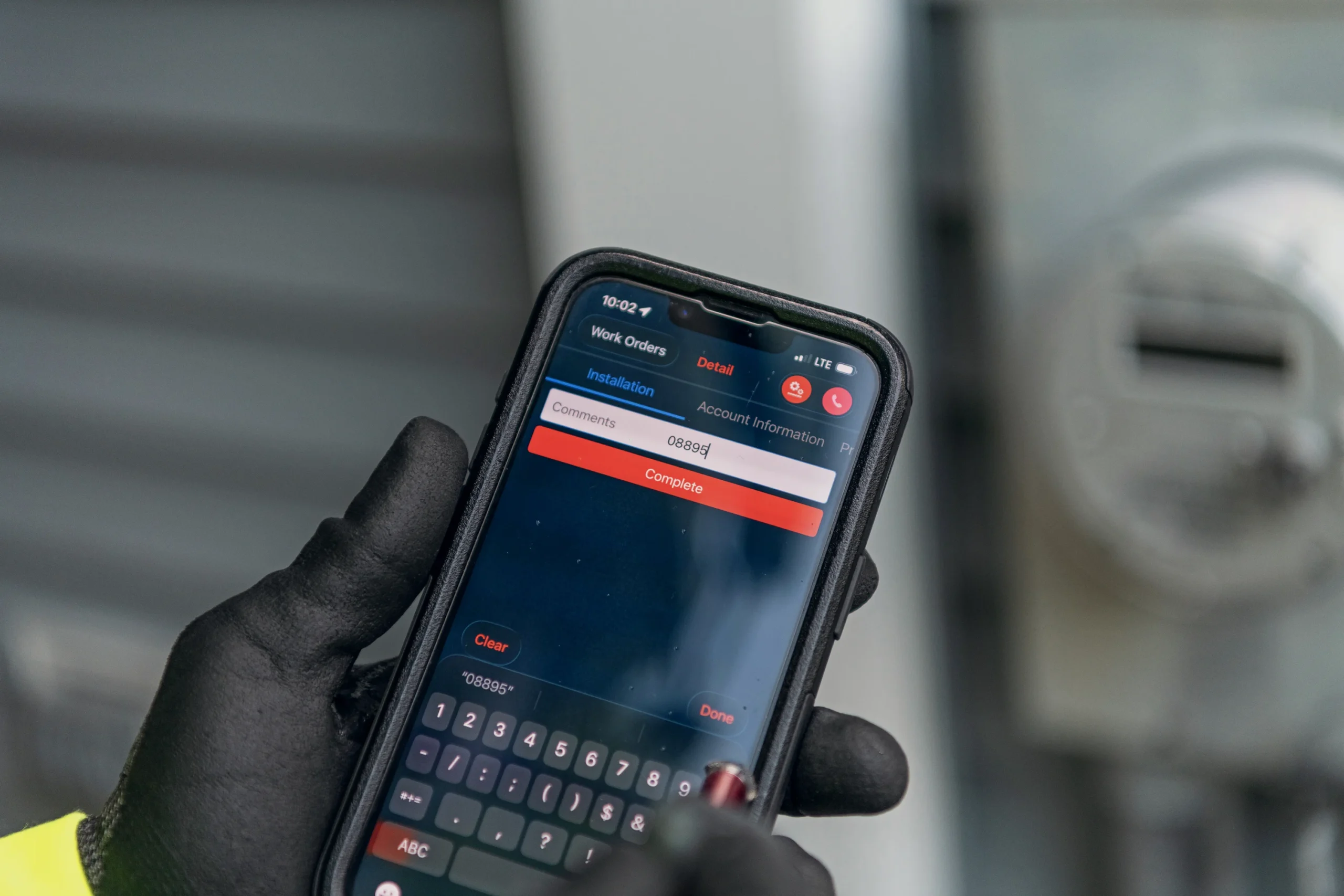
A successful load control program takes accurate equipment identification and proper installation. With the customer’s enrollment, a control device is installed on or connected to each eligible HVAC system or electric water heater.

During a load control event, the control device limits how long the air conditioner’s compressor runs. The indoor fan may continue to circulate air, depending on the system and program design. Because a building does not heat up instantly, a short reduction in compressor run time can lower electric demand while limiting the effect on indoor comfort.

The control device temporarily delays the heating elements from turning on while the tank supplies the hot water already stored inside it. After the event, the heater resumes normal operation and reheats the tank. Controls are designed around tank size, water use, starting temperature, and event length to protect the customer’s hot water service.

A successful load control program depends on more than sending a signal. It takes good communications and ongoing system maintenance.

Good records show whether devices responded as intended. Program benefits depend on verified performance during events.

How a Load Control
Event Works

When demand approaches a critical level, the utility sends a signal to temporarily reduce or shift the electrical use of participating equipment. Air conditioners limit compressor run time and water heaters delay heating. The utility can rotate control among groups of customers or areas and set limits on event length and frequency, accounting for weather and customer needs. Shifting demand to hours with more available capacity helps the utility use its existing infrastructure more effectively.

Load control gives utilities a
measured way to reduce demand
across many locations at once

Enterprise Level Support

UPA provides both guidance and support; helping its customers manage
some of their largest and most complex utility service and construction
projects. We know utility service is about so much more than just getting
the job done.

INFRASTRUCTURE

Inspection Services

Utility infrastructure inspections
that give a clear view of every asset.

INFRASTRUCTURE

Gas Meters

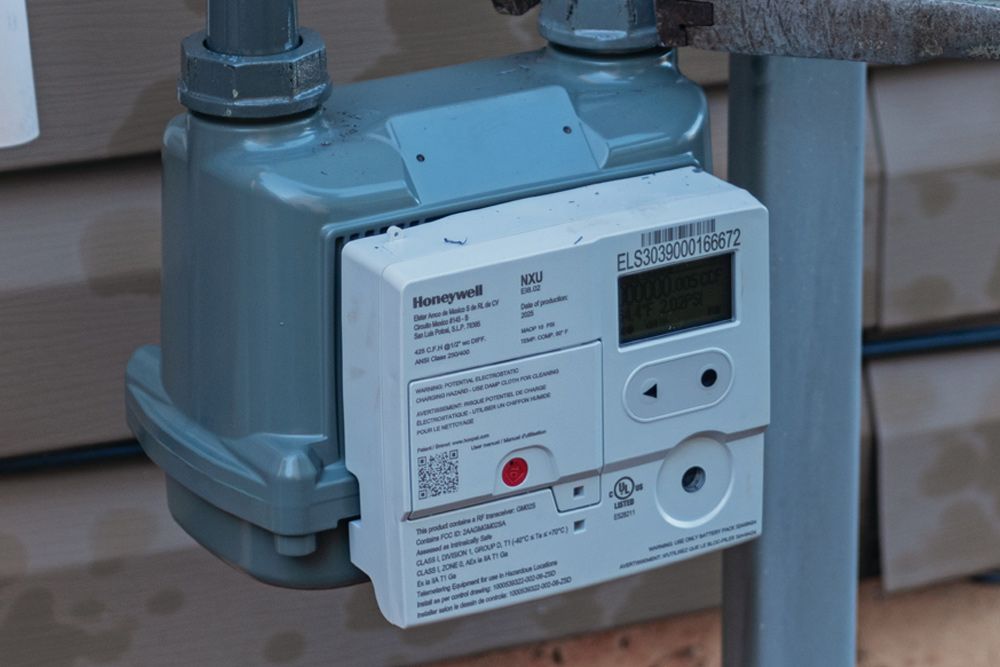
Gas meter and regulator service built around
public safety and compliance.

DATA & ANALYTICS

Data & Analytics

Utility field data analytics
with real-time visibility,
powered by Ensight Plus.

Partner with UPA

Reach out with your infrastructure, data & analytics, or professional services needs, and a member of our team will follow up.

FAQ’s

What is utility load control?2026-10-05T22:27:19+00:00

Utility-operated load control lets an enrolled customer’s HVAC system or electric water heater temporarily reduce or shift its electrical use when demand approaches a critical level. Utilities have used this approach with air conditioners and water heaters for decades.

Will customers notice a load control event?2026-10-05T22:28:10+00:00

A short reduction in compressor run time can lower demand while limiting the effect on indoor comfort, and water heaters continue to supply the hot water already stored in the tank. Programs set limits on event length and frequency.

What do customers receive for participating?2026-10-05T22:28:42+00:00

Customers may receive a bill credit or other incentive, and the broader customer base can benefit when the utility controls the costs of peak demand. Customers need to know what equipment is controlled, when events may occur, what effect they might notice, and what options they have if comfort or hot water becomes a concern.

What makes a load control program successful?2026-10-05T22:29:07+00:00

It takes accurate equipment identification, proper installation, good communications, ongoing system maintenance, and good records that show whether devices responded as intended. Benefits also depend on good program rules and customer participation.

Go to Top