UPA built AMI Lifecycle Management to manage metering infrastructure after the Advanced Metering Infrastructure (AMI) installation ends. The last endpoint goes live, and data starts flowing into the head end system. From there, the equipment continues to operate for years, through staffing changes and system updates along the way. That ongoing operation requires monitoring and inspection, and the maintenance that follows.
The AMI investment that felt complete at commissioning rarely stays that way. It’s a topic that comes up frequently in conversations with utility leaders across the country. A system built to run for fifteen or twenty years needs someone accountable for its condition across that entire span, from commissioning through eventual replacement.
UPA’s AMI Lifecycle Management program closes the accountability gap. The utilities we work with are managing larger metering fleets and handling more data than they used to, while field staffing levels have remained flat or decreased. Regulatory reporting requirements have grown alongside that expansion, and the infrastructure continues to age regardless of internal capacity.
Many utilities already apply this same logic to one layer of their AMI investment. Network as a Service providers manage the AMI communications network on an ongoing basis, treating it as infrastructure that needs continuous, expert attention. AMI Lifecycle Management extends that logic to the physical metering assets that generate the data those networks carry, protecting the AMI investment at the hardware level, the way NaaS protects it at the network level.
We built AMI Lifecycle Management around five outcomes utilities ask for directly: longer asset life, stronger throughput from the AMI network already in place, maintenance planned around condition, documentation that holds up under audit, and field resources that flex with the work in front of them.
1. Extended Asset Life
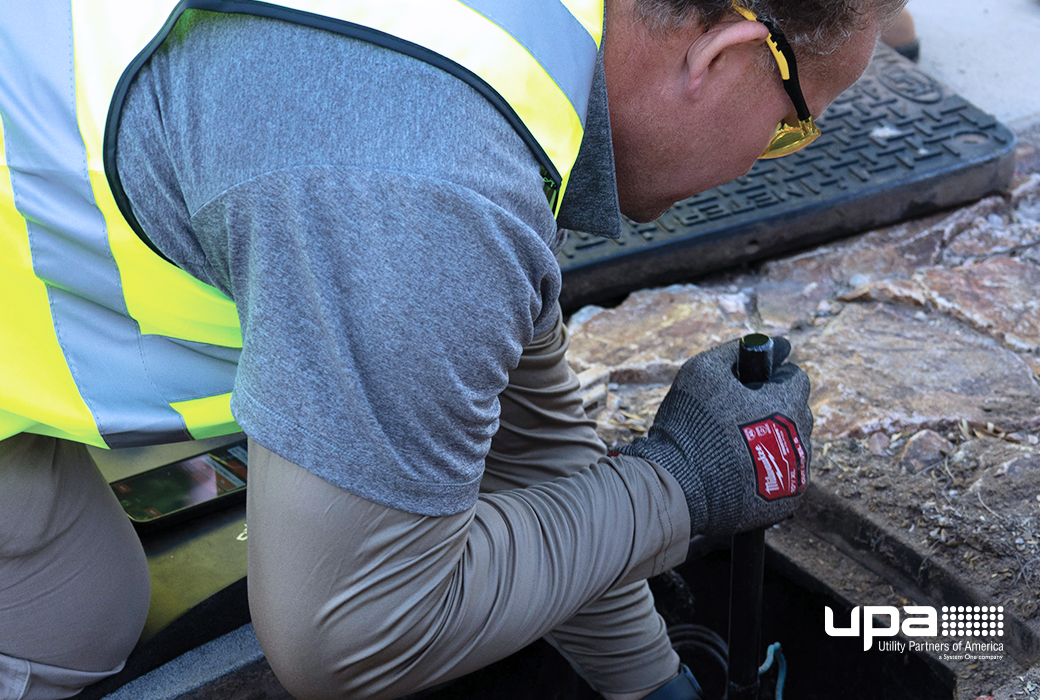
UPA’s meter and endpoint inspections catch developing issues early, extending the time a meter stays in service. Each inspection produces a photographed, documented condition assessment that becomes part of the asset’s permanent record. Paired with GIS verification, that record tracks condition over time, giving utilities clear visibility into each asset’s remaining service life.
2. Enhanced AMI Throughput
AMI performance monitoring identifies communication issues at the meter and endpoint levels before they affect data quality, producing exception reports and prioritized work orders that dispatch field technicians to endpoints that need attention. Meter and endpoint inspections then resolve the physical issues behind the poor performance.
3. Proactive Maintenance
UPA’s preventive maintenance and asset renewal work addresses wear and developing issues on a planned basis. Meter performance investigations resolve consumption anomalies, communication failures, and outdated firmware before they grow into larger problems, and every completed work order updates the asset’s maintenance history, giving utilities a running account of the work and the reasoning behind it. Condition-based upkeep, applied consistently across a metering fleet, keeps emergency repairs uncommon.
4. Audit-Ready Compliance
Every activity inside AMI Lifecycle Management, from inspection through maintenance, produces a digital record in real time as the work happens, and that record feeds directly into GIS updates and asset inventory. The result is a standard of documentation that supports the regulatory reporting and capital planning decisions utilities make long after any individual work order closes.
5. Scalable Resources
UPA’s customized field services can supplement internal teams for a defined initiative or take on comprehensive lifecycle management across an entire metering fleet, without adding headcount. Each engagement follows a defined project work plan with progress reports and a customized dashboard, so utility staff stays informed about progress while UPA carries out the work. Utilities can adjust that scope as regulatory deadlines and capital priorities shift, or as workloads move with the seasons, while the underlying program structure holds steady.
Leak Investigation and Customer Engagement
Water utilities working with UPA also get leak investigation built into the same program. UPA combines AMI analytics with field investigation and direct customer communication to catch suspected leaks and abnormal usage early. Affected customers are notified, and every resolution is documented in the same record. The result is less water loss and a faster, more informed response when a customer calls with a usage concern.
Platform and Technology
All five outcomes are powered by Ensight Plus, the enterprise work management platform behind UPA’s field operations. It handles digital work order management and mobile field workflows, and connects that fieldwork to GIS integration and asset history. The same platform runs preventive maintenance scheduling and lifecycle analytics, then surfaces the results through performance dashboards and KPI reporting. Centralizing that data gives utilities real-time visibility into asset condition and work progress, supporting the operational and capital investment decisions that follow the fieldwork.
Integrated Customer Support
UPA’s U.S.-based utility customer contact center connects field technicians directly with utility staff and customers. It handles appointment scheduling and notifications, inquiry management and follow-up communication, and escalation support, with warm handoffs to and from the utility’s own call center or field staff as needed. Integrating customer engagement with field operations reduces the administrative burden on utility staff, who would otherwise have to field those calls themselves.
Scoping the Program
These five outcomes are why UPA built AMI Lifecycle Management as a structured, ongoing program rather than a one-time engagement. Utilities can adopt the full program or select individual services, and UPA will build a field program around specific priorities in either case, with every activity documented on the same platform regardless of scope. The result is an AMI investment that holds its value and a total cost of ownership that stays in check over the life of the asset.
UPA will be discussing AMI Lifecycle Management directly with water utilities at the Smart Water Summit in Denver, August 31 through September 2.
UPA supports gas, water, and electric utilities nationwide with the workforce, training, and field processes to execute large-scale meter and communication module replacement programs on schedule. Contact us to learn more about UPA’s meter services.
Frequently Asked Questions
What is AMI Lifecycle Management?
AMI Lifecycle Management is a managed service from UPA for Advanced Metering Infrastructure, the meters, endpoints, and communication network utilities use to collect usage data. The program proactively monitors, inspects, maintains, documents, and optimizes metering assets throughout their operating life, combining field technicians and AMI diagnostics, running on UPA’s enterprise work management technology.
Why does ongoing lifecycle management matter for AMI investments?
Metering assets continue to age after installation, and AMI network analytics, routine inspections and condition-based maintenance determine whether they remain reliable or require costly emergency repairs. AMI Lifecycle Management keeps utilities ahead of that curve through ongoing monitoring and inspection, with maintenance close behind.
What outcomes does AMI Lifecycle Management deliver?
Extended asset life, enhanced AMI throughput, optimized AMI endpoints, , audit-ready compliance, and scalable field resources.
Does AMI Lifecycle Management include leak investigation?
Yes, for water utilities. As part of the program, UPA combines AMI analytics with field investigations and customer communication to identify and resolve suspected leaks and abnormal usage.
What role does Ensight Plus play in the program?
Ensight Plus is the enterprise work management platform that powers every field activity inside AMI Lifecycle Management, providing digital work order management, GIS integration, asset history, and performance reporting.
Can utilities choose specific services instead of the full program?
Yes. Utilities can select individual services or adopt the comprehensive program, and UPA will tailor a field service plan to specific operational needs either way.
Who performs the field work?
UPA’s experienced field technicians perform the inspections and maintenance in the field. AMI diagnostics and UPA’s U.S.-based utility customer contact center support that work with performance investigations and customer communication.