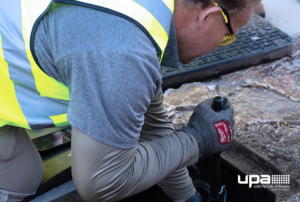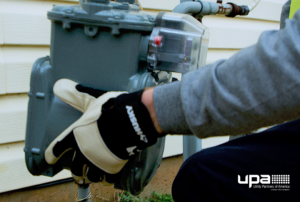

Winter weather brings challenges such as low temperatures, ice, reduced daylight, and schedule disruptions to utility field operations. Proactive preparation helps crews stay safe, maintain productivity, and address risks before they affect infrastructure.
1. Plan Ahead
A structured approach minimizes unplanned downtime and protects field crews.
Key Actions:
- Review forecasts and historical weather data to anticipate peak cold periods.
- Hold winter readiness meetings with field supervisors to align on priorities, risks, and contingencies.
- Develop a winter operations checklist covering equipment readiness, PPE inventory, and communication plans.
Why it matters: Weather-related delays and safety incidents are easier to manage when expectations, protocols, and resources are aligned beforehand.
2. Protecting Crews
Cold temperatures affect how the body responds to exertion and risk. Proper gear and awareness of cold-related health risks help crews stay safe and focused.
Essentials for Winter Field Work:
- Layered Clothing: Wear moisture-wicking base layers, insulating mid-layers, and windproof outer shells.
- Insulated PPE: Use gloves, boots with traction, and face protection to reduce the risk of frostbite and slips on icy surfaces.
- Cold Stress Training: Train crews to recognize and respond to early signs of hypothermia and frostbite to prevent minor symptoms from becoming emergencies. Supervisors who maintain awareness of cold stress can intervene early to protect crew health.
3. Adjust Workflows for Winter Conditions
Adjust operations to reflect winter conditions rather than using summer workflows.
Smart Adjustments Include:
- Schedule High-Risk Tasks During Daylight: Maximize visibility and take advantage of warmer temperatures when possible.
- Rotate Crews More Frequently: Limit cold exposure, especially during peak winter storms.
- Stagger Breaks in Heated Areas: Schedule warm-up periods to reduce cold stress and maintain alertness.
Adjusting how work is performed, not just what is done, maintains both productivity and safety.
4. Weather Maintenance
Cold weather affects people, tools, vehicles, and infrastructure.
Winter Equipment Checklist:
- Ensure vehicle heating systems and defrost controls are reliable.
- Switch to winter-grade fluids and lubricants where recommended.
- Inspect and winterize tools to prevent brittleness or failure in extreme cold.
- Add emergency winter kits to vehicles, including blankets, hand warmers, and flashlights.
A well-prepared toolbox keeps operations running and reduces reactive maintenance during winter.
5. Communication and Weather Monitoring
Clear, real-time communication is critical during winter.
- Share forecast alerts and operational adjustments with all field teams.
- Maintain reliable communication devices, including backups for low-signal areas.
- Reiterate protocols for weather-related schedule changes so remote teams feel supported and prepared. Keeping crews informed reduces risk and builds confidence.
Winter weather will always challenge utility operations. With thoughtful planning, proper gear, adaptive workflows, and proactive communication, field teams can remain safe and productive even as conditions worsen.
At UPA, safety and operational excellence go hand in hand. Preparing now ensures crews and systems remain resilient throughout the cold season and beyond.